
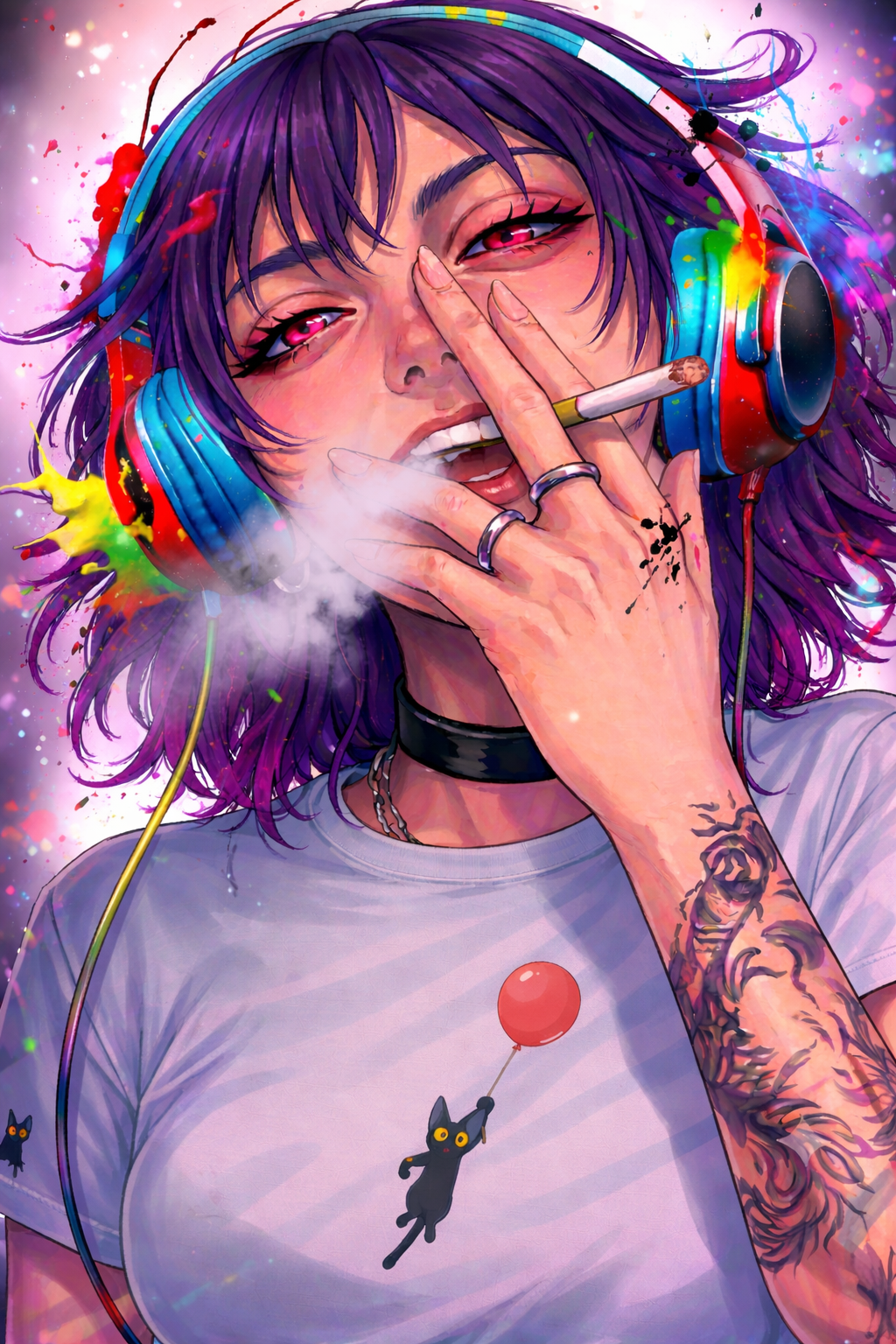
NYC Underground Streetwear: Lower East Side Fashion, East Village Art & Independent Clothing Brands
New York City’s underground streetwear scene lives downtown, in the streets, galleries, and micro‑boutiques of the Lower East Side and East Village.
This is where graffiti, hip‑hop, and punk collide with independent clothing brands and artist‑run spaces to create a fashion language you will not find in a mall.
Why NYC Underground Streetwear Still Starts Downtown
NYC streetwear was born out of downtown hip‑hop, skateboarding, and graffiti cultures in the 1970s and 1980s, when young crews turned the city’s walls and sidewalks into their canvas.
Today, SoHo, the Lower East Side (LES), and the East Village remain the core districts for streetwear, mixing global brands with tiny independent shops and galleries.
For anyone serious about underground fashion, the LES and East Village are where hype and history overlap: rare sneakers sit a few doors away from artist‑run boutiques, experimental galleries, and pop‑up spaces that disappear as quickly as they appear.
The Lower East Side: Pop‑Ups, Concept Stores & Vintage Archives
The Lower East Side’s streets—especially around Orchard Street—are packed with concept stores, curated vintage, and streetwear boutiques that mirror the neighborhood’s gritty, layered visual texture.
Updated city guides describe LES as a hotspot where high‑end labels and independent designers share the same blocks, making it easy to discover new brands by simply walking the neighborhood.
Extra Butter: Community‑Driven Streetwear Hub
Extra Butter on Orchard Street has become a key LES destination, curating sneakers and streetwear from brands like Stone Island, Adidas, and The North Face alongside more niche labels.
The shop regularly hosts launches and community events, so visiting feels more like entering a local clubhouse than a typical retail store.
Orchard Street’s Indie & Vintage Layer
Walk Orchard Street and you will hit a dense mix of boutiques: Colbo combines clothing, records, and coffee; Free Agency showcases emerging brands and designer vintage; multiple vintage and archive shops specialize in Japanese labels, upcycled garments, and one‑off pieces.
This concentration of spaces makes Orchard feel like a living archive of downtown style, where every storefront adds another layer to the neighborhood’s streetwear story.
East Village: From Graffiti & Galleries to Wearable Art
In the 1980s, the East Village became known for experimental galleries and graffiti‑driven art, operating as an anti‑commercial counterpoint to SoHo’s blue‑chip scene.
Artists like Keith Haring and Jean‑Michel Basquiat came out of this matrix of DIY spaces, street posters, and subway art, helping to legitimize street‑inflected visuals long before “streetwear” became a global industry.
That legacy still shapes today’s East Village, where small galleries and indie boutiques share the same blocks and often the same audience: people who treat walls, flyers, and clothing as connected forms of visual culture.
East Village Buyers & the Resale Archive
East Village Buyers on Avenue A is a high‑end resale shop specializing in rare streetwear and luxury fashion, including past‑season Supreme, limited sneakers, and cult labels.
Shops like this function as living archives of downtown style, preserving earlier eras of hype and giving local stylists and designers a deep reference library to mine.
Indie Boutiques as Micro‑Galleries
East Village and nearby LES streets are dotted with small boutiques that focus on limited‑run garments, local production, and carefully curated vintage.
Guides highlight spaces that feel more like micro‑galleries than stores, where each rack tells a story about subculture—punk, Y2K, experimental womenswear, or upcycled designer pieces.
Independent NYC Clothing Brands: Beyond the Hype Names
Most streetwear lists start with the heavyweights—Supreme, Kith, Aimé Leon Dore, Noah, Awake—brands, Borna Shop that have grown from downtown shops into global players.
They still help define the city’s look, but the soul of NYC underground streetwear now lives in smaller, independent labels and artist‑run projects that work at a more intimate scale.
Many of these independent NYC clothing brands emphasize local design and production, drawing on the Garment District’s manufacturing infrastructure and treating each collection as a limited, evolving experiment rather than a mass‑market product line.
How the East Village Art Scene Feeds Underground Fashion
The East Village art scene built a visual language of collage, torn posters, graffiti, and political commentary that is now deeply embedded in global streetwear graphics.
Galleries and DIY spaces taught artists to treat city walls as ready‑made canvases, a mindset that translates directly into garments that feel like fragments of those same streets.
Today’s LES and East Village galleries continue that tradition by focusing on emerging artists and experimental work, keeping the neighborhoods full of imagery that spills out onto stickers, wheat‑pastes, flyers, and eventually T‑shirts and hoodies.
Planning Your Own NYC Underground Streetwear Tour
Start in the East Village: explore Avenue A and nearby streets, stopping into East Village Buyers and any galleries open that afternoon, then drift south toward Orchard Street.
On Orchard, hit Extra Butter and neighboring boutiques and vintage stores, watching how sneakers, torn posters, and gallery flyers all speak the same visual language.
To tap the most underground layer—short‑term pop‑ups and truly independent drops—follow shops and galleries on Instagram, check their stories, and pay attention to posters and flyers taped to doors and construction fences.
Many brands that dominate local rap videos or creative circles operate primarily through these temporary spaces, long before they ever open a permanent store.
NYC Underground Streetwear & LES / East Village FAQ
What is NYC underground streetwear?
NYC underground streetwear refers to clothing labels, pop‑ups, and resale spaces rooted in local music, art, and graffiti cultures rather than mainstream fashion cycles.
These brands often release limited runs, collaborate with artists, and sell through independent shops in neighborhoods like the Lower East Side and East Village.
Where can I find underground streetwear in the Lower East Side?
Orchard Street is the best starting point, with concept stores, streetwear boutiques, curated vintage, and archive shops clustered within a few blocks.
Walking east and west from Orchard will lead you past pop‑up storefronts and smaller boutiques that stock emerging designers and one‑off pieces.
Is the East Village still relevant for streetwear?
Yes—the East Village’s history of graffiti, DIY galleries, and punk venues still shapes how people dress and shop there today.
Resale shops like East Village Buyers and small designer‑run boutiques keep the neighborhood important as a source of vintage, underground brands, and wearable art.
Are most independent NYC clothing brands locally produced?
Many independent New York brands design in the city and work with local manufacturers or small studios, especially for limited runs.
This local production model is common among labels and boutiques that position themselves as alternatives to fast fashion and mainstream luxury.
How do I find pop‑up streetwear shops in NYC?
Follow Lower East Side and East Village stores, galleries, and local brands on social media and monitor their stories and event posts.
Most pop‑ups are announced shortly before they open and may only last a few days.
Is it worth visiting big names like Supreme and Kith if I care about underground fashion?
Visiting Supreme and Kith provides context for how downtown streetwear became global, but the most underground energy today is in smaller boutiques, vintage archives, and artist‑driven labels.
Use the flagship stores as a starting point, then spend time exploring nearby Lower East Side and East Village blocks.
Leave a Reply